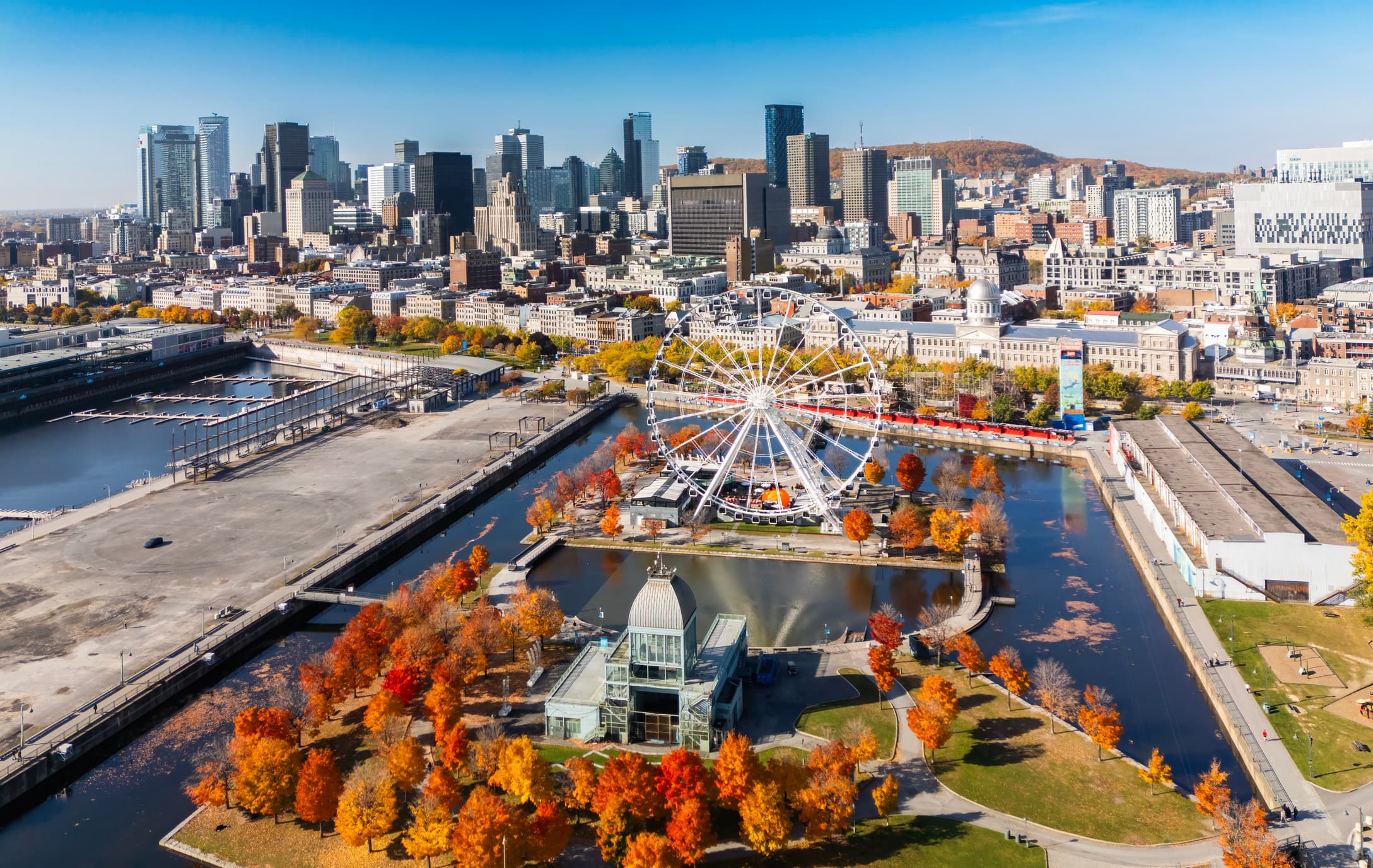
Montreal is consistently ranked among the best student cities in the world, and for good reason. It's home to four major universities — McGill University, Concordia University, Université de Montréal, and Université du Québec à Montréal (UQAM) — and a combined student population of over 160,000. Add one of North America's lowest costs of living for a major metropolitan city, and you have a destination unlike anywhere else in Canada.
Student housing in Montreal is more affordable than in Toronto or Vancouver, but the best options near campus still require planning. The Plateau Mont-Royal, Mile End, and Notre-Dame-de-Grâce (NDG) neighbourhoods are popular with McGill and Concordia students. Students at UdeM and UQAM often look in the Côte-des-Neiges and Rosemont areas. Purpose-built student housing in these neighbourhoods fills early, often in the winter for the following fall.
Montreal is a genuinely bilingual city, and navigating daily life comfortably in both French and English is both possible and rewarding. McGill and Concordia are primarily English-language institutions, though daily life in most neighbourhoods requires some functional French. UdeM and UQAM operate in French. Whichever school you attend, living in Montreal will sharpen your second-language skills simply by existing in the city.
The STM metro and bus network in Montreal is excellent. Four colour-coded metro lines connect the major university campuses to downtown, the Plateau, and the West Island. Many students in student housing near McGill or Concordia walk to campus, while those at UdeM use the Côte-des-Neiges or Université-de-Montréal metro stations. OPUS cards offer student transit discounts that make the system even more economical.
Montreal's food scene is one of its defining qualities, and students are its biggest beneficiaries. From legendary smoked meat sandwiches at Schwartz's to pho in the Vietnamese quarter of Côte-des-Neiges, to bagels at St-Viateur, the variety and quality per dollar is extraordinary. Grocery costs are lower than in Toronto, and the Jean-Talon and Atwater markets offer fresh, affordable produce throughout the season.
The arts, music, and nightlife scene in Montreal has no peer in Canada. Festivals — including Jazz Fest, Just for Laughs, and Osheaga — anchor a social calendar that runs year-round. The city's creative energy attracts students in architecture, design, film, music, and the arts, and that community makes Montreal feel genuinely electric as a place to be in your twenties.
Co-op and internship opportunities in Montreal are strongest in tech, AI, aerospace (Bombardier and the broader aerospace cluster), gaming (the city has the highest concentration of game studios in North America outside of the US), finance, and the creative industries. For students in these fields, Montreal's combination of world-class universities and an active industry scene creates exceptional career-building conditions.
Winters in Montreal are serious — colder and snowier than most Canadians expect the first time around. But the RÉSO underground city, a 33-kilometre network of tunnels connecting shopping, dining, transit, and academic buildings in the downtown core, makes winter far more manageable than it looks from the outside. Invest in proper winter gear before November, and you'll find the season manageable and even enjoyable.